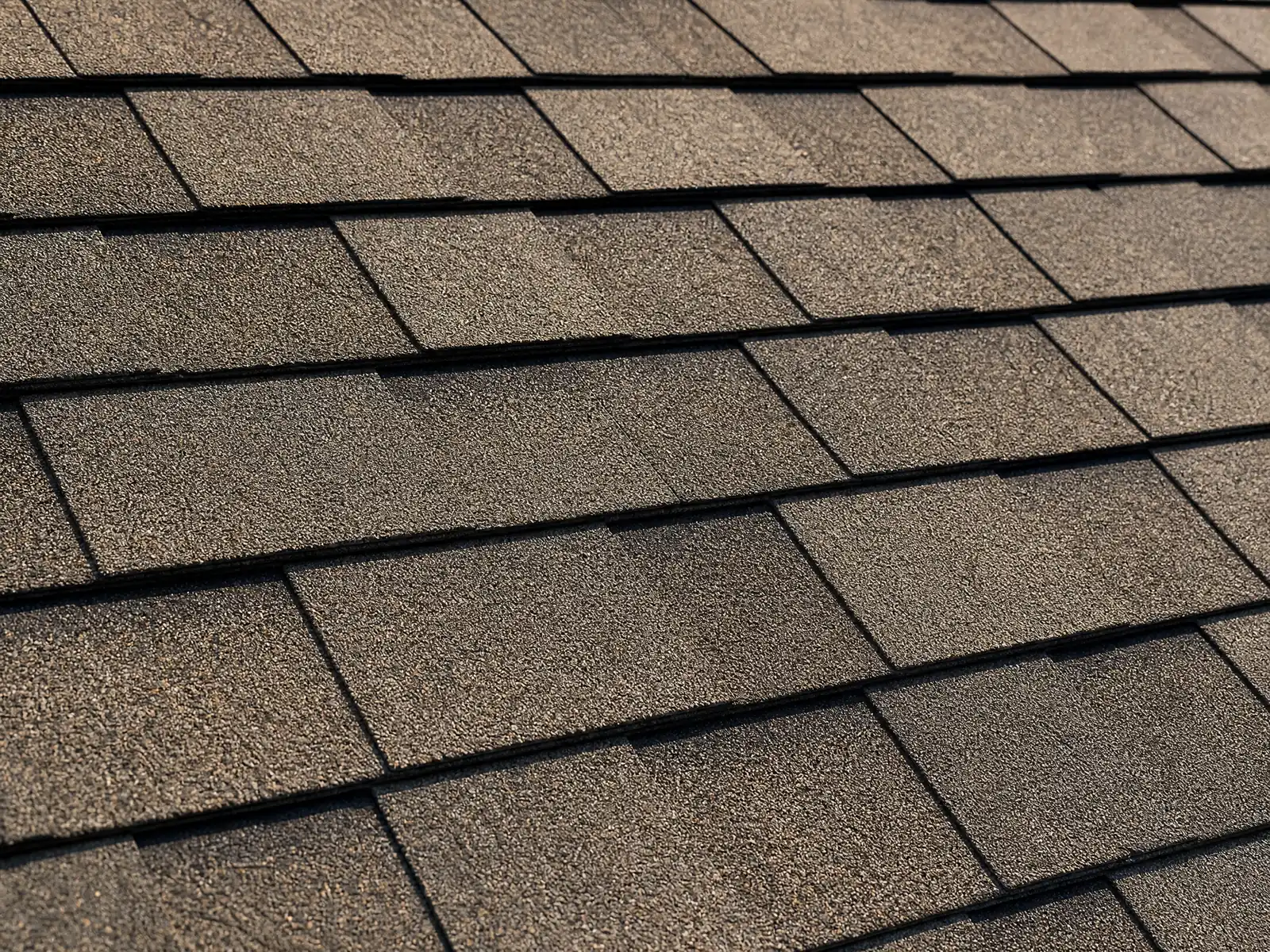
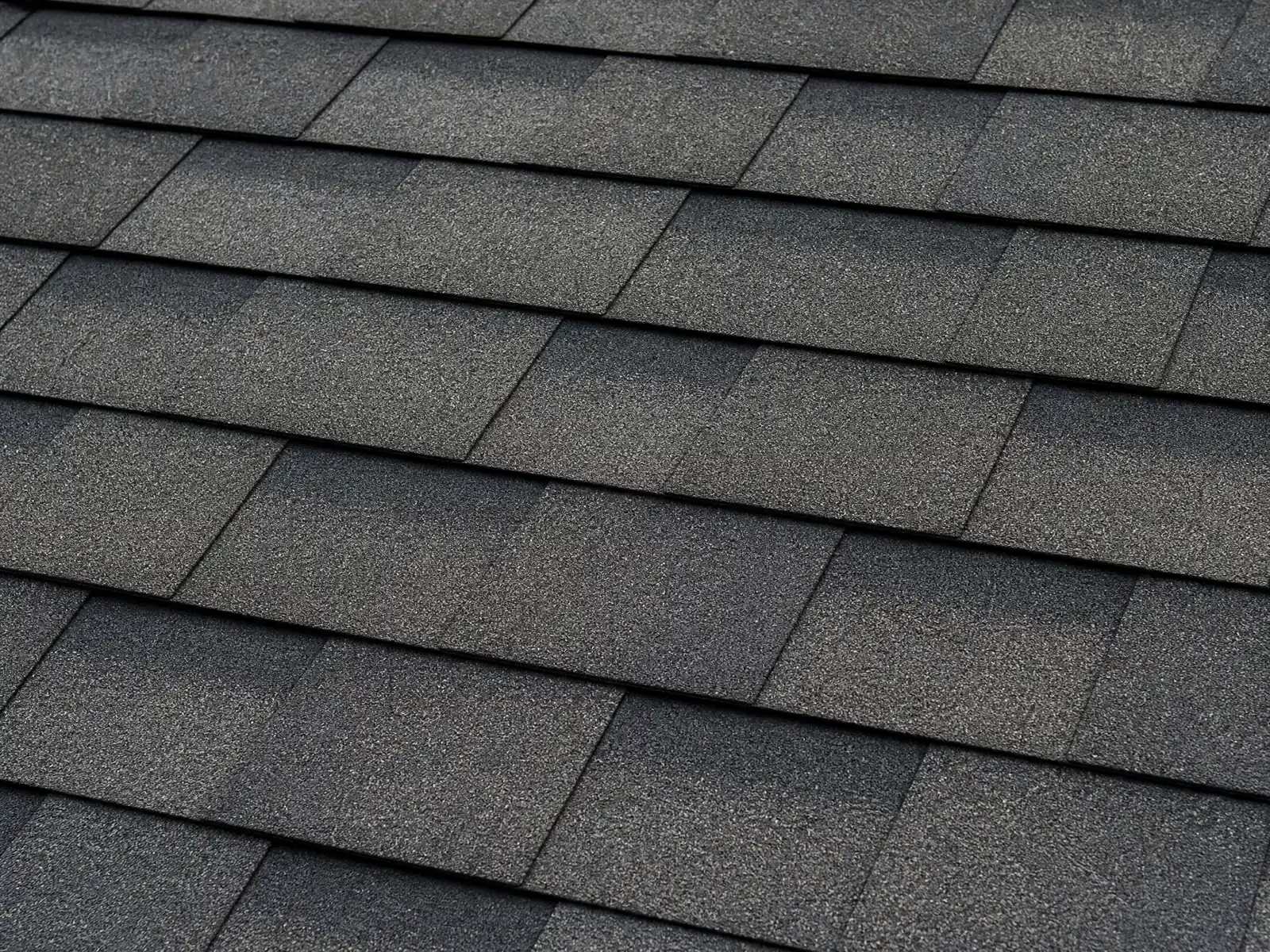
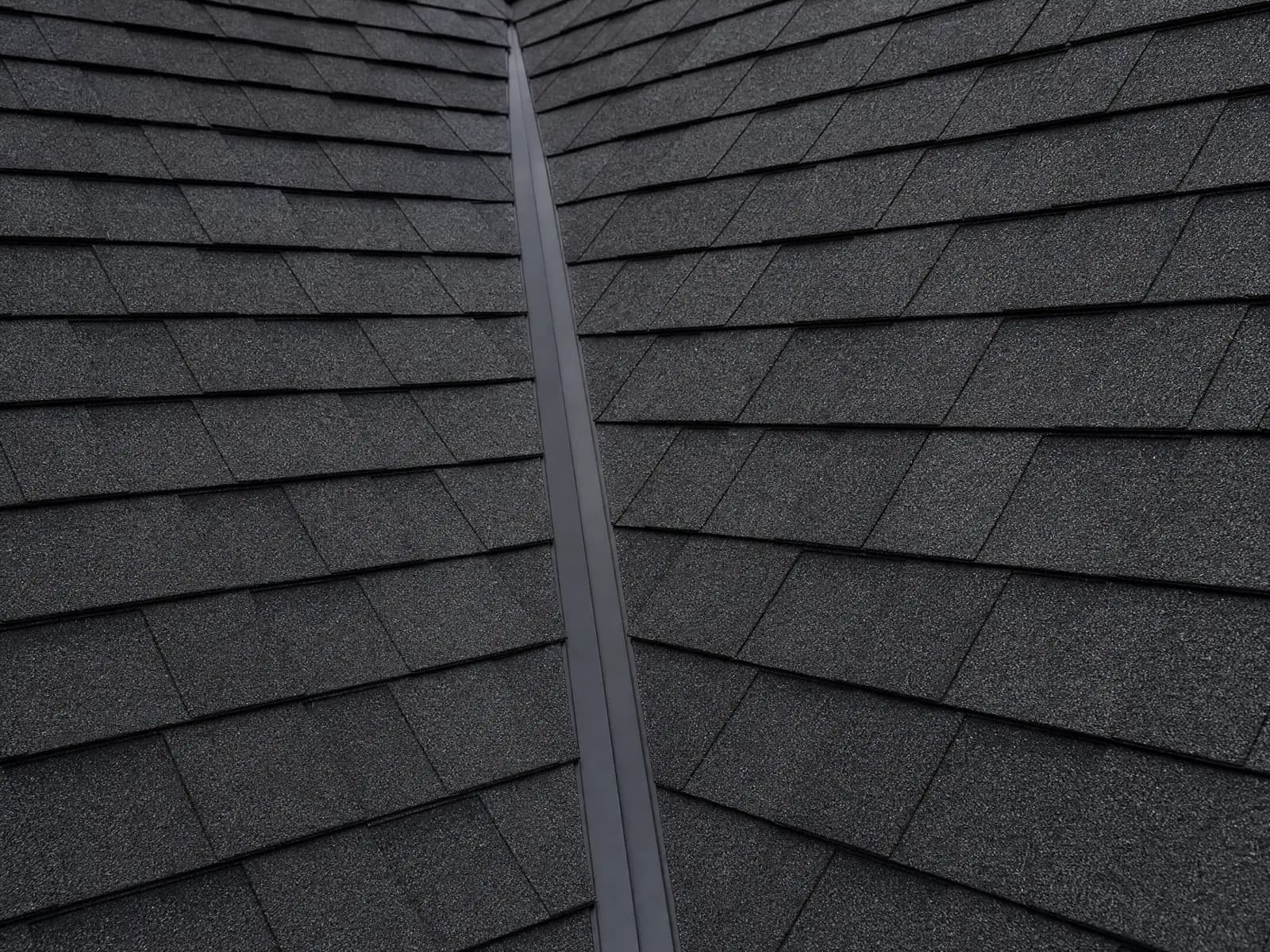
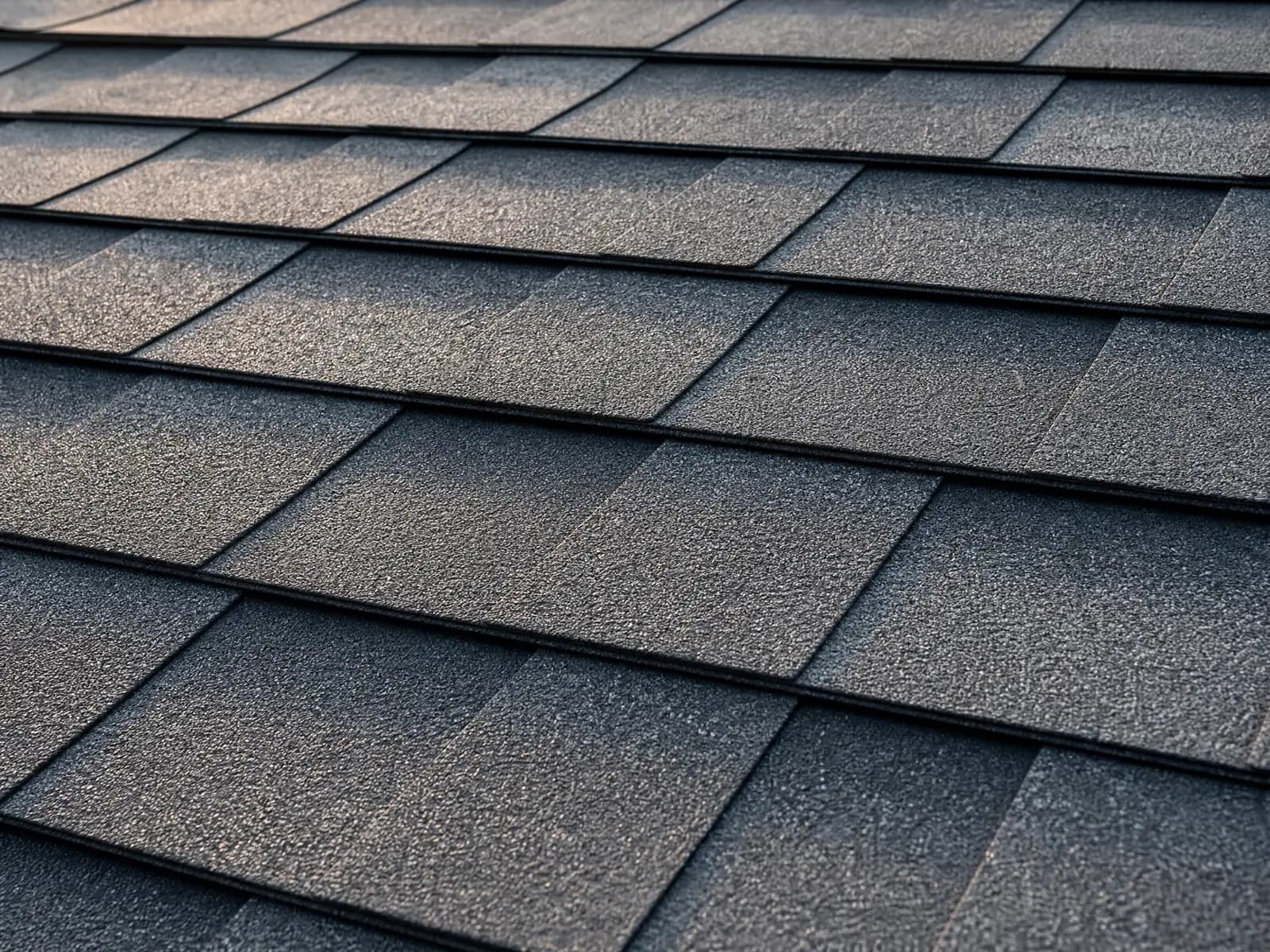
If budget is the first question, start with the best-value and mid-range architectural shingles. Both deliver the wind rating, impact resistance, and warranty coverage that Minnesota roofs need — the difference between them is mostly visual. A written estimate will tell you exactly what the price gap is for your roof, at current supplier pricing. From there, you can decide whether stepping up a tier is worth it for your specific home.
If hail history is your main concern — property in Crow Wing, Cass, or Aitkin County, where straight-line wind and hail events hit hardest — look at the impact-resistant tier. Class 4 impact resistance earns a meaningful insurance discount with most Minnesota carriers. The tradeoff is a higher installed cost. We can walk you through whether the annual premium savings make the math work for your property. The decision guide goes deeper on this scenario.
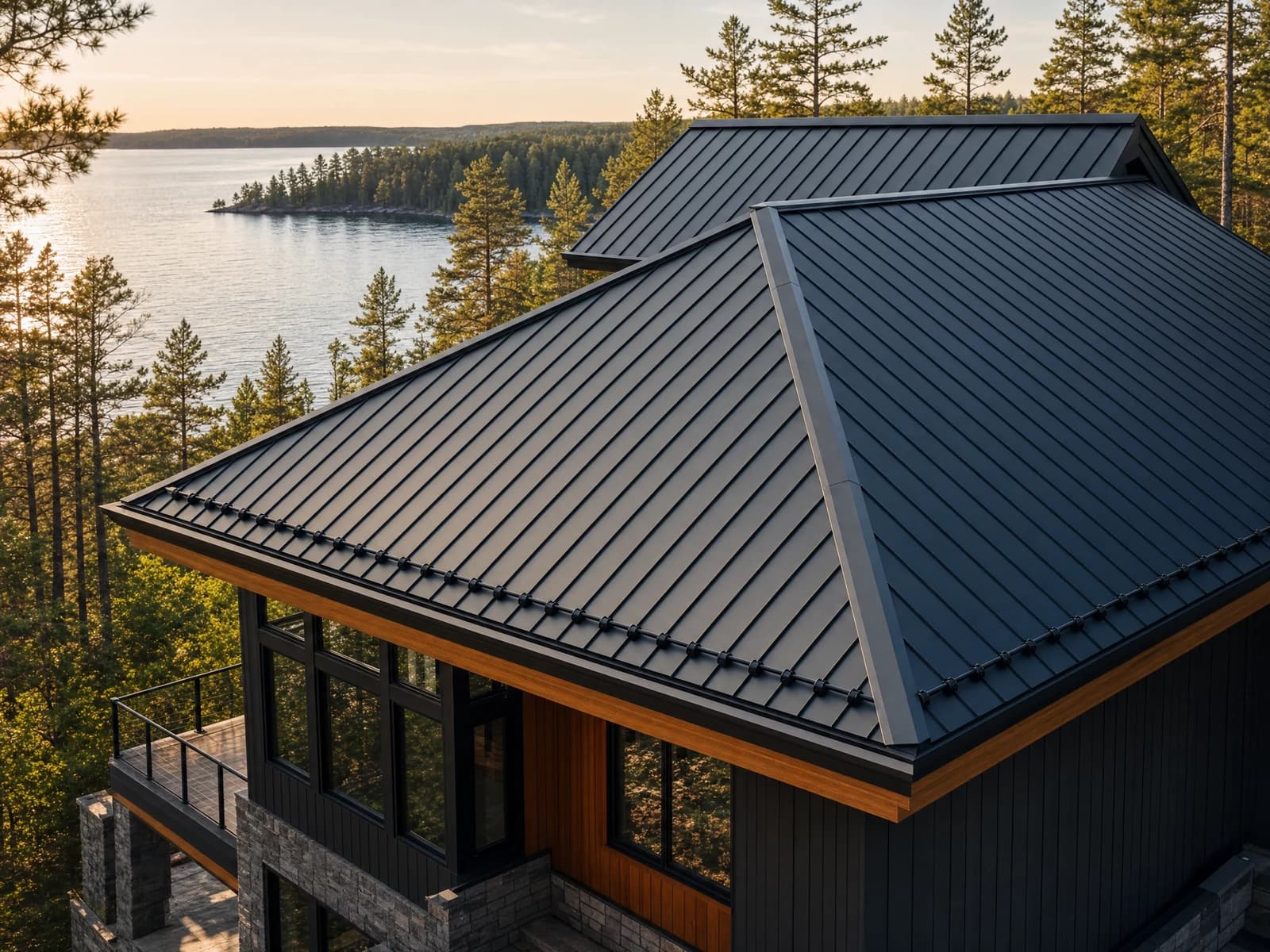
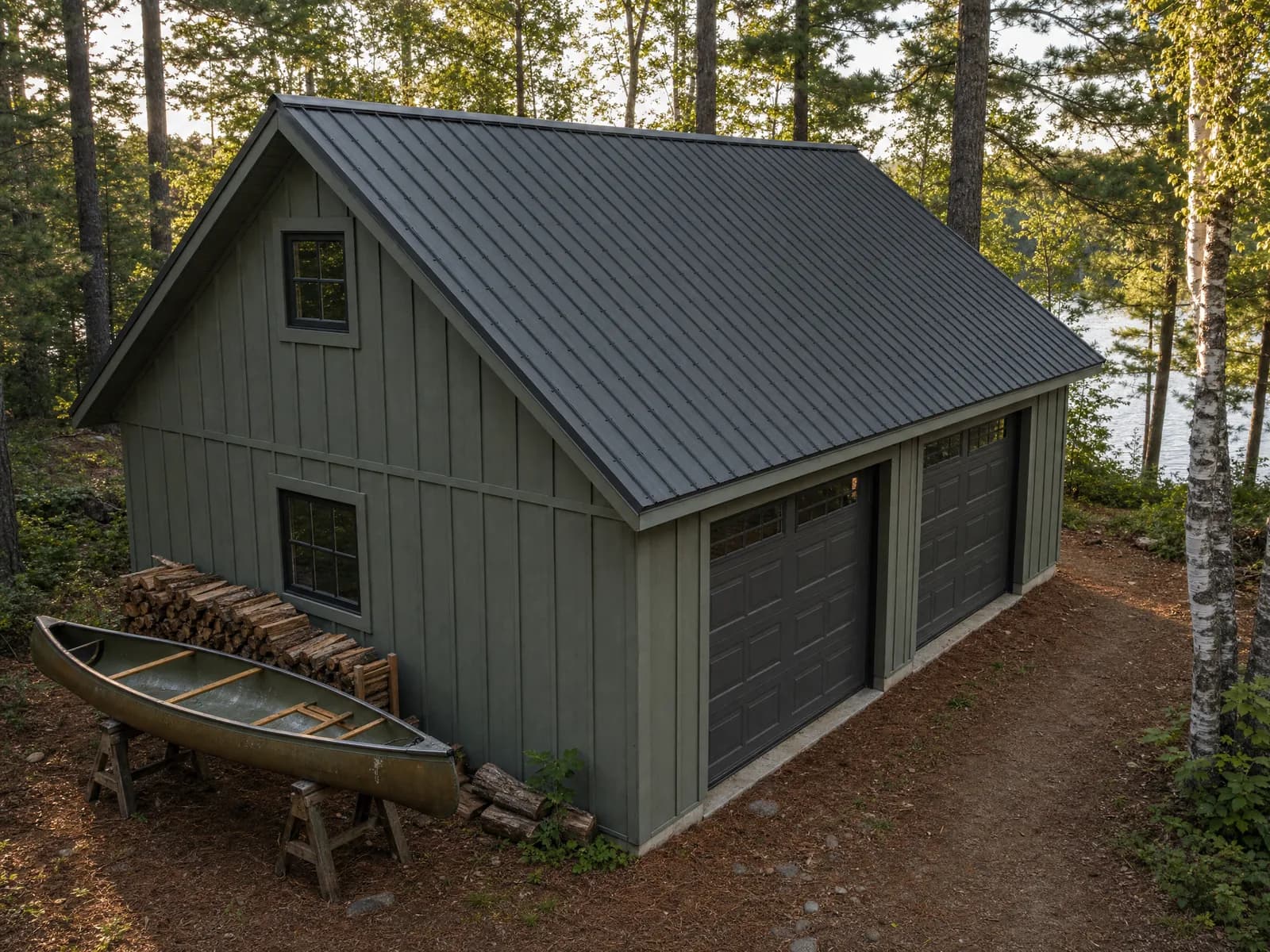
If curb appeal matters as much as performance, the designer-upgrade tier is worth a look. Heavier granule profiles and deeper shadow lines are visible from the street — particularly on steeper pitches and on homes where the roof is a significant visual element. The premium over mid-range is real but not dramatic. Standing seam metal is the other option for homeowners who want a distinct, clean-lined look along with the longer lifespan — particularly on lake properties where the vertical panel lines suit a contemporary or modern-farmhouse cabin.
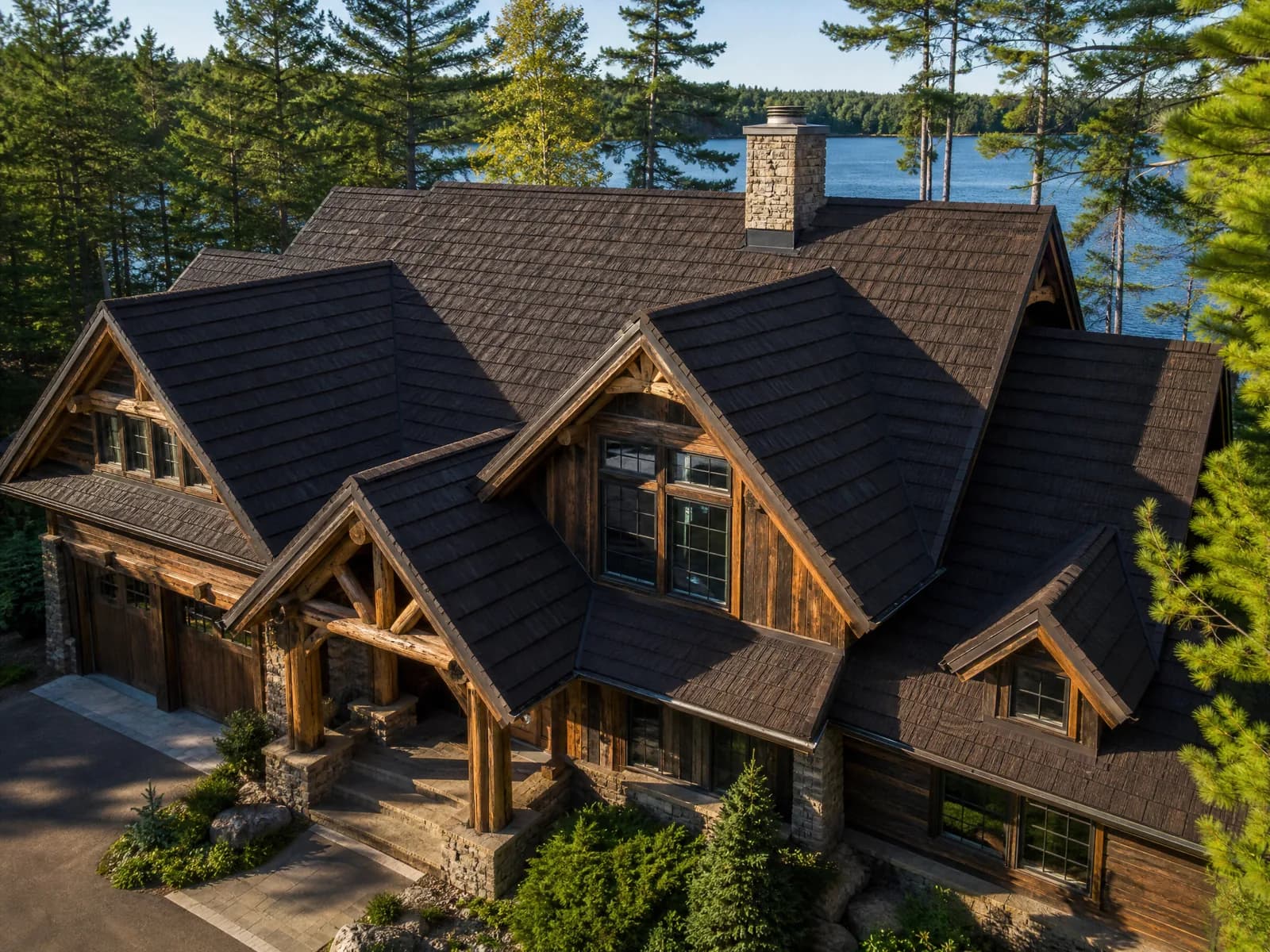
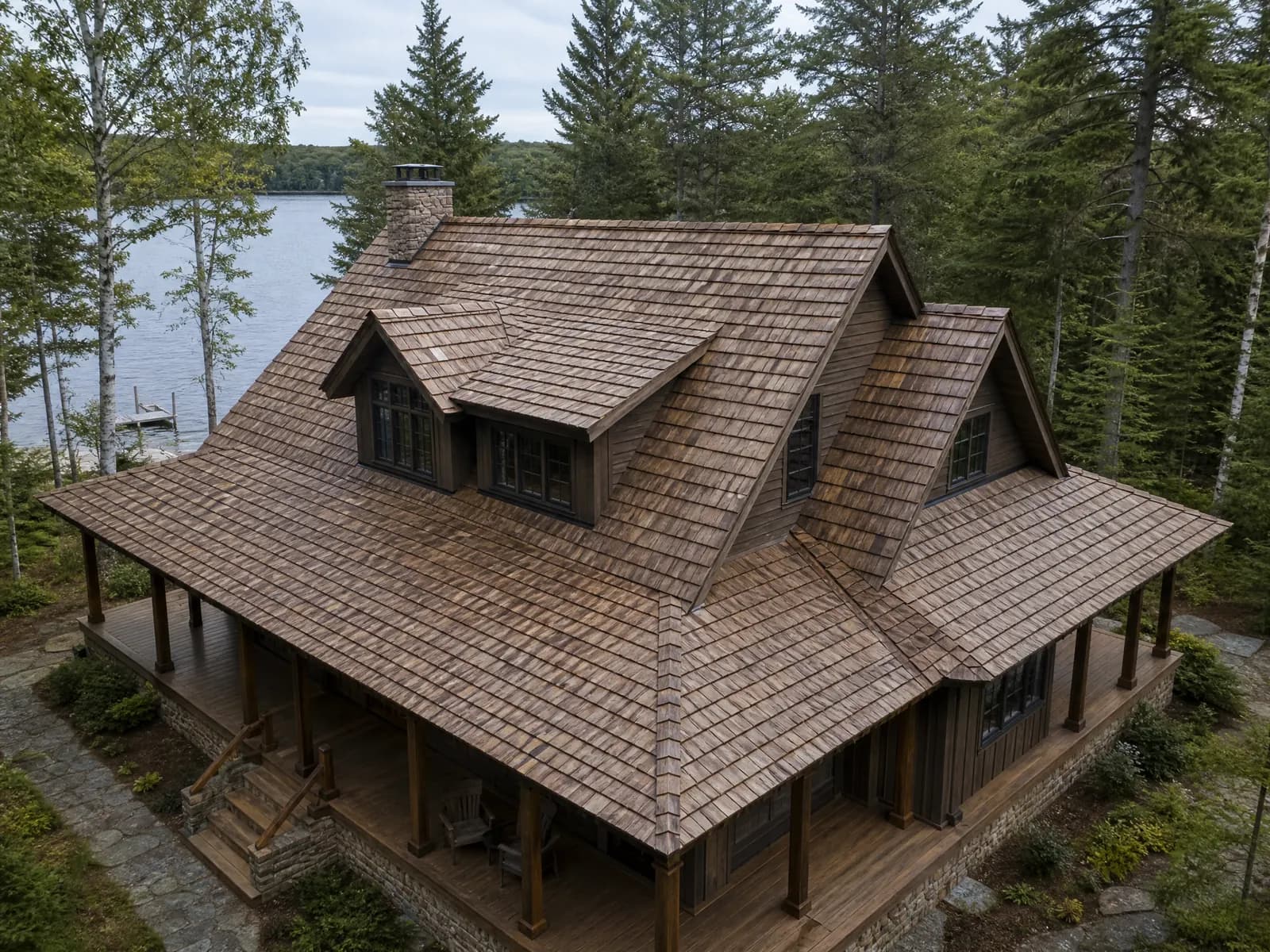
For the cedar or shake look without real wood, DECRA Shake XD and Brava Cedar Shake both replicate that Northwoods profile — DECRA on a steel panel, Brava as a solid composite — with Class 4 impact resistance and warranties in the 50-year range. Pro-Panel II exposed-fastener metal is the budget entry point into metal roofing, a common choice for detached garages and outbuildings rather than the primary house.