Roofing in Rochester, MN
Rochester roofing — Olmsted County homes, insurance claim expertise, clear estimates.
Silver Loon covers Rochester (Olmsted County): roof replacement, repair, storm damage, and ice dams. Based in Central Minnesota.
The April 2026 tornado that ripped roofs in the Rochester area was not the first time Olmsted County has seen that kind of damage — the 1883 F5 is the historical anchor, but the recent events are what drive the current inspection questions. Near Kutzky Park and through the Folwell neighborhood, homeowners are working through the same question: what did the storm actually do, and what does it cost to address it correctly?
Rochester is a city of professionals, and the homeowners near Silver Lake and through the established medical-district neighborhoods tend to be methodical about their properties. An inspection is how that process starts — not a sales call, but a documented assessment with photographs that gives you the information you need to make a real decision. We write every estimate to the same standard regardless of project size.
About Rochester, MN
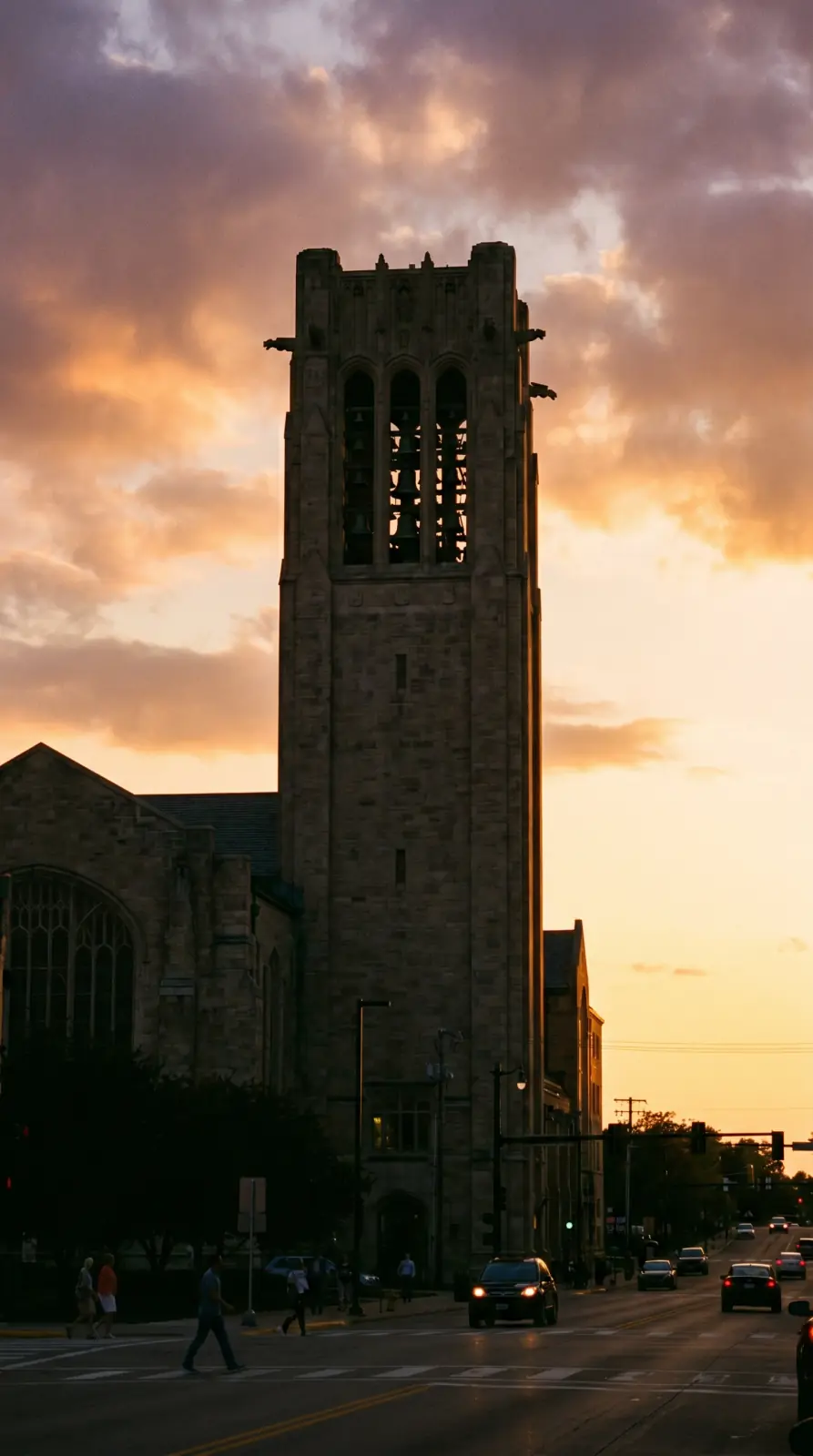
Rochester is Minnesota's third-largest city, with an estimated 125,000 residents and an economy anchored by Mayo Clinic — a medical institution with more than 40,000 employees on its Rochester campus and roughly five million patient visits annually. That single employer shapes the city in ways most mid-sized Minnesota cities do not experience: a steady inflow of medical professionals, researchers, and graduate trainees creates high housing demand across a wide income range, from resident physicians renting near downtown to established department chairs buying in Country Club Manor. The Plummer Building, completed in 1928 and topped by a 56-bell carillon tower that is lit each evening, remains the architectural centerpiece of the Mayo campus and a useful orientation point for anyone who has not been to Rochester before. It has been a National Historic Landmark since 1969.
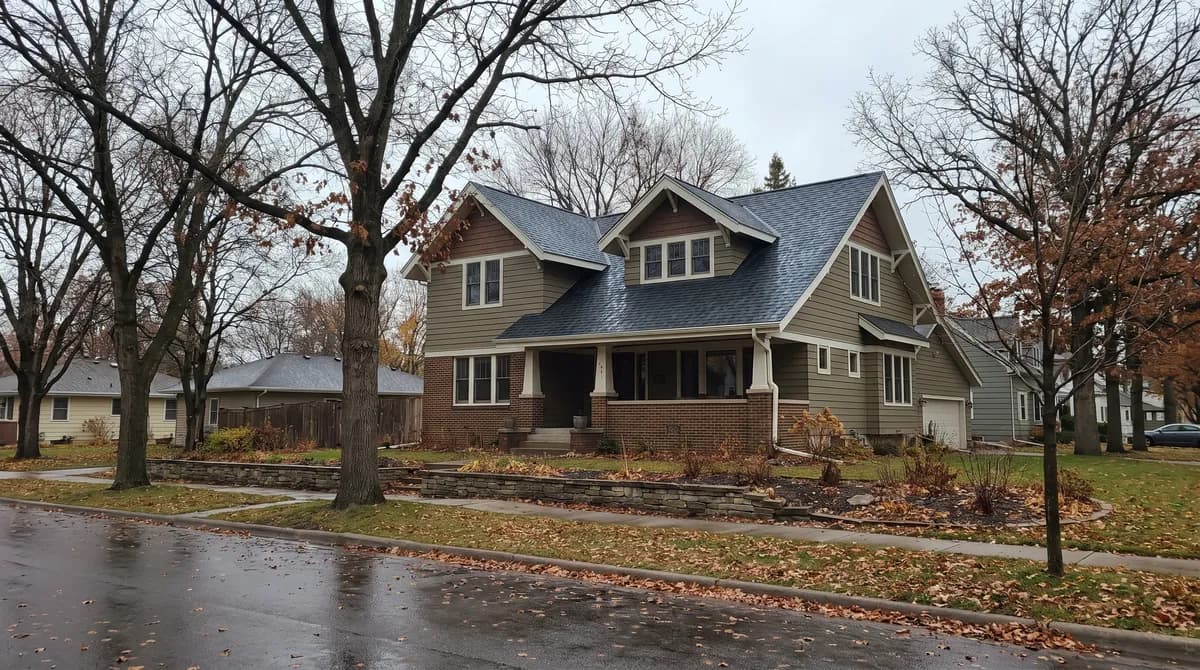
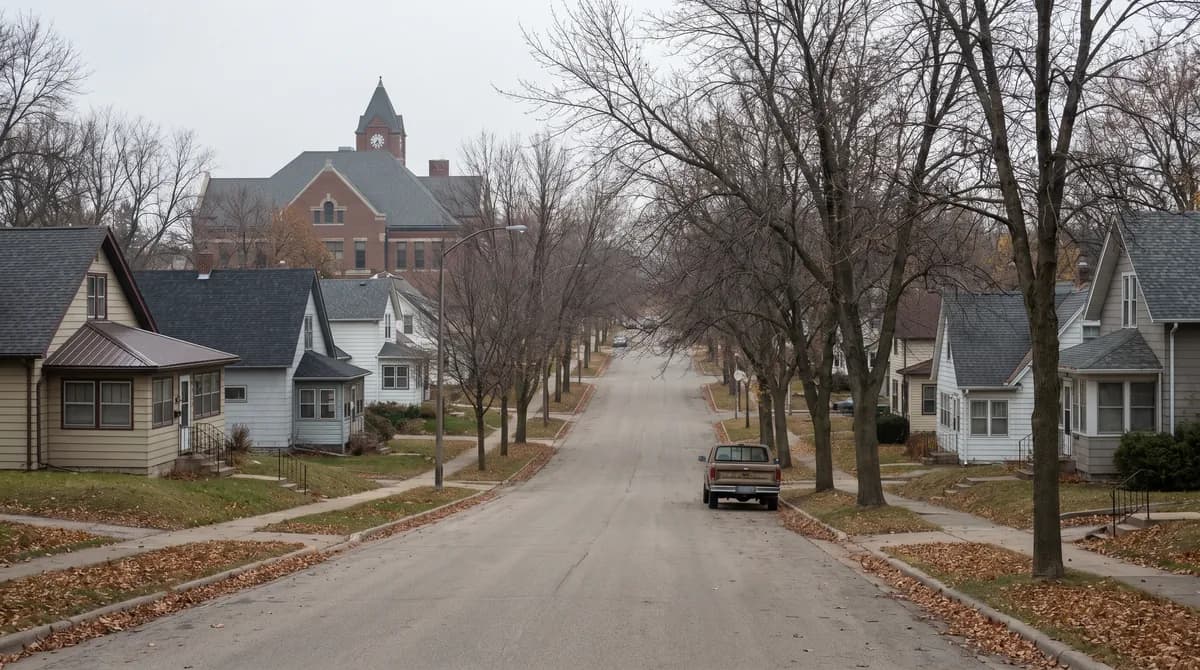
The city's neighborhood geography reflects its layered growth. Kutzky Park and Folwell are the oldest established residential neighborhoods, with early twentieth-century housing on tree-lined blocks close to downtown. Country Club Manor, developed mid-century, carries larger lots and a housing profile associated with the physician population that settled Rochester in the postwar decades. Newer growth pushed south and east into Mayo Woodlands and Badger Ridge — subdivisions built from the 1990s forward where the housing stock is newer but the weather exposure is the same. The Zumbro River runs through the city, and Silver Lake sits near the heart of downtown, giving Rochester a water geography that shapes where storm moisture concentrates and where drainage matters most.
Rochester's population has grown at roughly 0.4 to 0.8 percent annually, a pace driven by Mayo's continued expansion and the technology and research sectors that have clustered around it. The Destination Medical Center initiative, a state-backed economic development program, has added downtown density and drawn further healthcare investment. For a roofing contractor, that trajectory means an active housing market where deferred maintenance is rarely a strategy and where homeowners want a written estimate, a firm schedule, and a contractor who shows up when they say they will.
Housing stock and market
Rochester's housing stock is split roughly 59 percent single-family detached, with a meaningful share of newer construction — approximately one-third of all homes were built after 2000. That recent-construction percentage is higher than most comparable Minnesota cities, reflecting the sustained population growth driven by medical-sector employment. Homes in Kutzky Park and Folwell date from the 1910s through the 1940s: two-story frames with steeper pitches, dormers, and attic assemblies that were original to an era when insulation standards were far below what Minnesota now requires. Those homes ice dam reliably. Homes in Country Club Manor, built through the 1950s and 1960s, are mid-century ranch and split-level construction where low pitches accumulate snow quickly and original attic insulation frequently falls short of current code.
The newer subdivisions at Mayo Woodlands and Badger Ridge were built to current energy codes and generally have adequate attic insulation depth, but they are not immune to ice dam conditions — a poorly executed ventilation baffle or a bathroom exhaust terminating into the attic rather than through the roof can undermine an otherwise code-compliant assembly. Roof geometry in newer Rochester construction tends toward hip-and-valley plans that shed water efficiently, but those plans also create more flashing runs at valleys and penetrations that require maintenance over time. The home values across Rochester neighborhoods support full replacement when replacement is warranted — a physician household that paid $450,000 for a house is not going to accept a patch that fails in two winters. We write estimates accordingly, with the scope and material specification the property calls for.
Weather and roof realities in Rochester
Rochester averages 48 inches of annual snowfall, with January lows around 9°F and a freeze-thaw season that runs from November into late March in most years. The city sits in a geographic position that makes it one of the windier locations in Minnesota — weather systems moving northeast across the open agricultural land of southern Minnesota reach Rochester without significant terrain to slow them. That wind exposure matters in two ways: it accelerates drifting on any roof with an unobstructed upwind face, and it increases the uplift stress on ridge caps and hip shingles that were not installed with sealed adhesive strips or adequate fastener patterns.
Ice dam formation in Rochester follows the same physics as everywhere else in Minnesota, but the city's large share of mid-century housing stock makes it a consistent problem. When attic heat escapes through an under-insulated deck, it keeps the roof surface above freezing even as outside temperatures drop well below 32°F. Meltwater runs down the warm slope, hits the cold eave overhang past the exterior wall line, and refreezes. The dam builds over days or weeks, backing standing water up the slope where it finds every gap — a short ice-and-water-shield termination at the eave, a failed step flashing at a dormer, an unsealed nail penetration in the field. The damage shows up as a ceiling stain, but the cause is in the attic. On every Rochester ice dam call, we assess the attic assembly at no separate charge and give you a clear picture of whether steam removal alone solves the problem this season or whether the insulation and ventilation need to be addressed to prevent a recurrence.
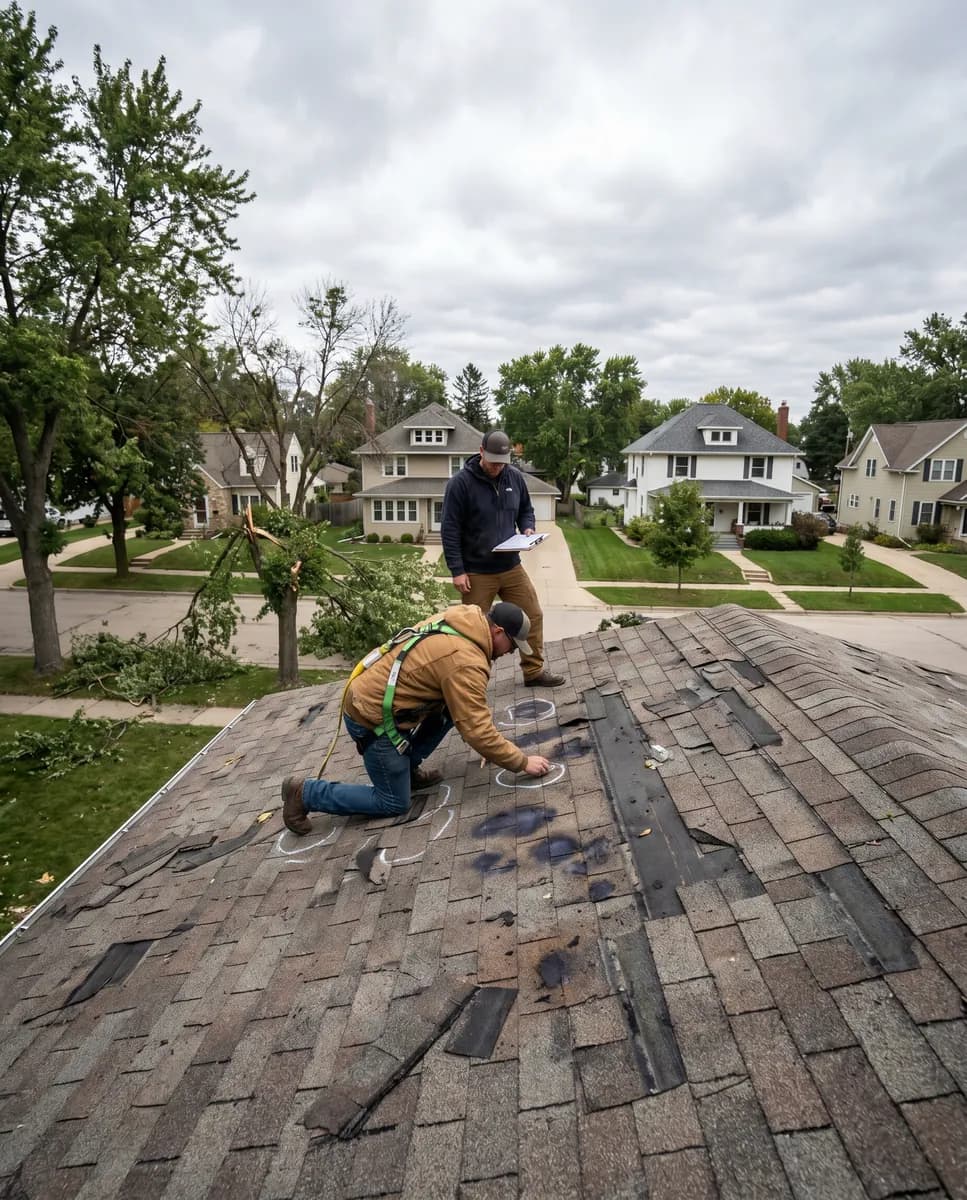
Rochester's tornado history is not abstract. The F5 tornado of August 21, 1883 leveled parts of the city and killed 37 people — the resulting emergency response by Dr. William Worrall Mayo and his sons, assisted by the Sisters of Saint Francis, is documented as a direct antecedent to the founding of Mayo Clinic the following decade. The April 2026 tornado was a different scale of event but real nonetheless, ripping roofs off dozens of homes in southeast Rochester neighborhoods. Hail accompanies many of the severe thunderstorm systems that move through Olmsted County in summer. Hail damage to asphalt shingles does not always present as visible perforation from the ground — the granule layer absorbs impact up to a point, then bruising in the mat underneath begins to accelerate UV degradation and shorten the roof's serviceable life. An inspection after any storm with hail larger than quarter-sized is worth scheduling regardless of whether you can see interior evidence from inside the house. We document before the adjuster arrives, walk the inspection with your insurer, and provide a line-item scope that matches our written estimate without interpretation. Olmsted County claim timelines are currently running 4 to 6 weeks; thorough documentation at the start avoids delays at settlement.
Residential Services
Roofing services in Rochester
We offer the full residential menu from our Central Minnesota base — the same crew, the same standards, across all 43 Minnesota cities we serve.
Replacement in Rochester
Full residential roof replacement with architectural shingles, metal, or specialty…
Replacement in Rochester→Repair in Rochester
Targeted roof repairs for Minnesota homes and cabins — leak diagnosis, flashing re…
Repair in Rochester→Storm Damage in Rochester
Hail and wind damage assessment, insurance claim support, and full restoration for…
Storm Damage in Rochester→Get in Touch
Contact Silver Loon Roofing — Rochester
- Serving
- Rochester, MN (Olmsted County)
- Phone
- (970) 555-0199
- Hours
- Mon–Fri 7 am – 6 pm
Sat 8 am – 2 pm
Dispatched from our Central Minnesota home office along the Rum River
Nearby areas we serve from Rochester
- Stewartville
- Byron
- Kasson
- Oronoco
- Pine Island
Need roofing work in a nearby town? Request a free estimate — we cover the surrounding area without a travel surcharge.
Common Questions
Frequently asked questions — Rochester
Ready for a straight-talk roof estimate in Rochester?
We inspect, document, and give you a written line-item estimate before any work starts. No pressure, no surprises.