Roofing in Burnsville, MN
Burnsville roofing — Heart of the City to River Woods, honest estimates.
Silver Loon covers Burnsville (Dakota County): roof replacement, repair, storm damage, and ice dams. Based in Central Minnesota.
The 2021 tornadoes that tracked near Highway 13 put a number of Burnsville roofs through conditions that standard shingles are not rated to handle. Alimagnet Lake and Scott Highlands neighborhoods saw real damage that year. If you were in that corridor and the roof has not been inspected since, there is a chance you are carrying structural damage that never produced an obvious interior leak.
Burnsville's housing stock spans from 1960s ramblers near the river to 1990s two-stories in the newer subdivisions, and both ends of that range are at or near the point where a professional opinion is worth having. An inspection is a 45-minute conversation with your roof — one that tells you whether you have years left or whether you are one hard winter away from a problem.
About Burnsville, MN
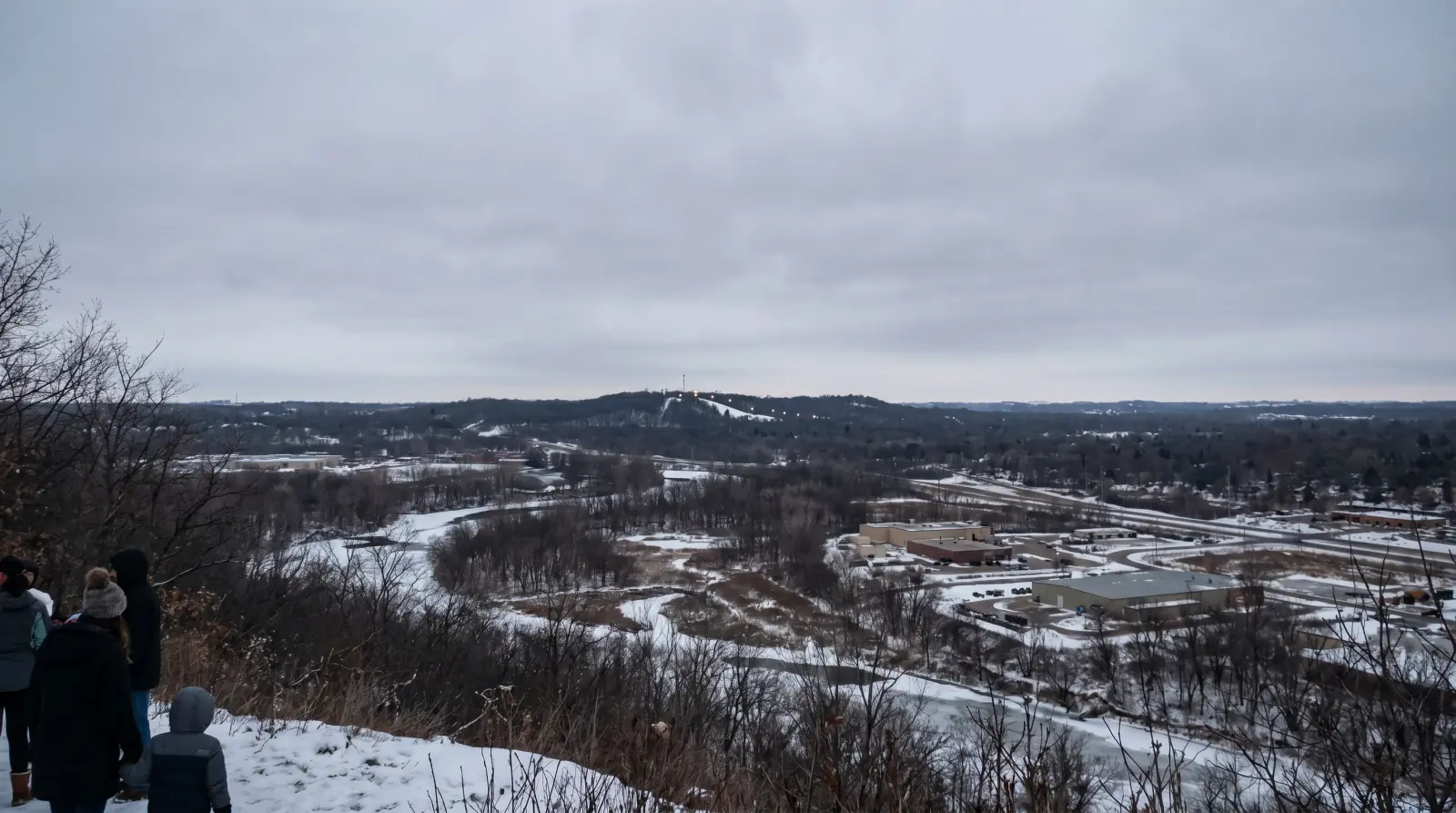
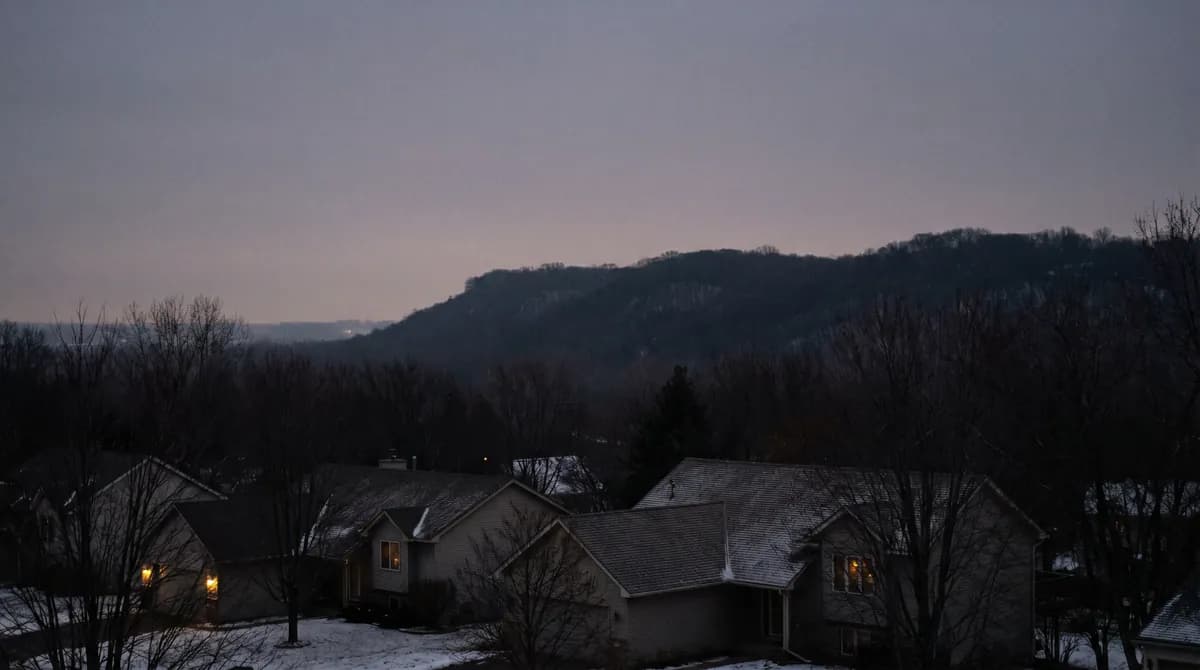
Burnsville sits along the Minnesota River valley in Dakota County, about 15 miles south of downtown Minneapolis via I-35W. With a 2024 population of roughly 64,864 residents, it is one of the larger suburbs in the southern Twin Cities metro — a city that grew quickly from a rural Irish farming community into a diverse residential hub carrying median home values around $360,000 and a median household income of roughly $84,000. The Minnesota River forms the city's northern and western boundary, and the bluff-top neighborhoods along that corridor include some of the city's earliest and most established streets. Alimagnet Park, tucked into the northeast quadrant around a small lake of the same name, is framed by homes that date from the 1960s and 1970s — the kind of housing stock where original roof decks have been through five decades of Minnesota winters.
The Heart of the City district is Burnsville's civic and commercial center. Nicollet Commons Park anchors it, where Foster Willey Jr.'s Centrifuge sculpture — a stainless-steel bowl on a red granite and sandstone base, installed in 2004 — serves as the park's focal point and a recognizable piece of public art in the metro. The I-35W and County Road 42 interchange is the city's commercial spine, and the Minnesota Zoo just over the line in Apple Valley draws metro-wide traffic into this corridor year-round. Burnsville is not a single-character suburb: it runs from newer townhome developments in Scott Highlands and River Woods to mid-century ramblers in Alimagnet, and the housing profile shifts noticeably block by block.
The population is diverse — significant White, Black, Hispanic, and Asian communities across the residential neighborhoods — and the city's family-oriented character shows up in strong community programming, well-maintained parks, and a homeownership culture that takes maintenance seriously. Residents here expect a contractor to show up when they say, work clean, and stand behind the result. That expectation suits us fine.
Housing stock and market
Burnsville's housing stock reflects the postwar growth arc of the southern Twin Cities metro. Through the 1950s, 1960s, and into the 1970s, the city filled in rapidly with single-family homes on modest lots — ranch styles, split-levels, and ramblers that were practical and affordable for young families moving south from Minneapolis along the I-35W corridor. By the 1980s, townhome developments and newer subdivisions were extending the city's footprint into areas like River Woods and Scott Highlands, where homes carry newer roofing profiles, factory-installed ice-and-water shield, and better attic ventilation than the earlier stock.
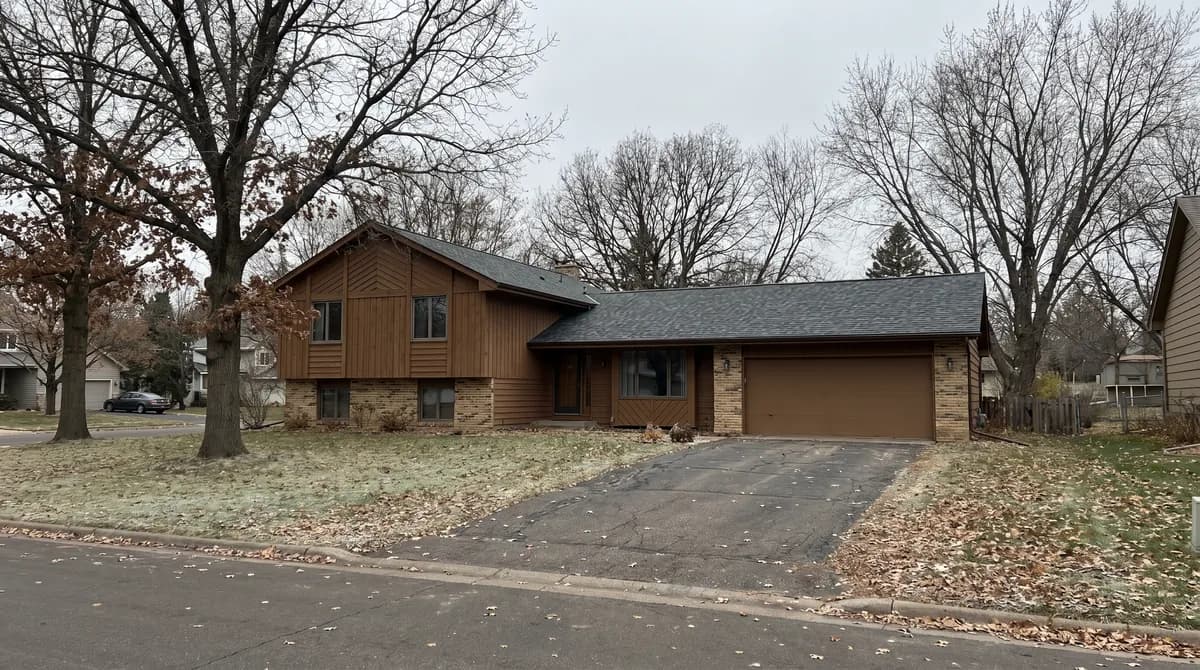
The 1960s and 1970s ramblers are where the most urgent roofing work tends to concentrate. These homes were built to the insulation and ventilation standards of their era, which means attic depths that fall well short of current code, soffit vents that have been blocked by insulation over the years, and original drip edge profiles that no longer meet current best practice. Many have had one or more re-roofs layered on top of the original deck — which affects tear-off scope, adds structural load, and sometimes reveals deck damage that was not visible from the ground before the tear-off began. Median home values in Burnsville sit around $360,000 and the market has held steady, which means a proper replacement with quality materials protects real equity — not a decision to rush or underbid.
For roofing purposes, the split-level and raised-ranch styles common in Alimagnet and similar neighborhoods are more complex than a simple gable: multiple roof planes, varying pitches, and flashing runs at interior valleys and at the transitions between roof levels. We account for every flashing detail before the estimate is written. Nothing gets added after you sign.
Weather and roof realities
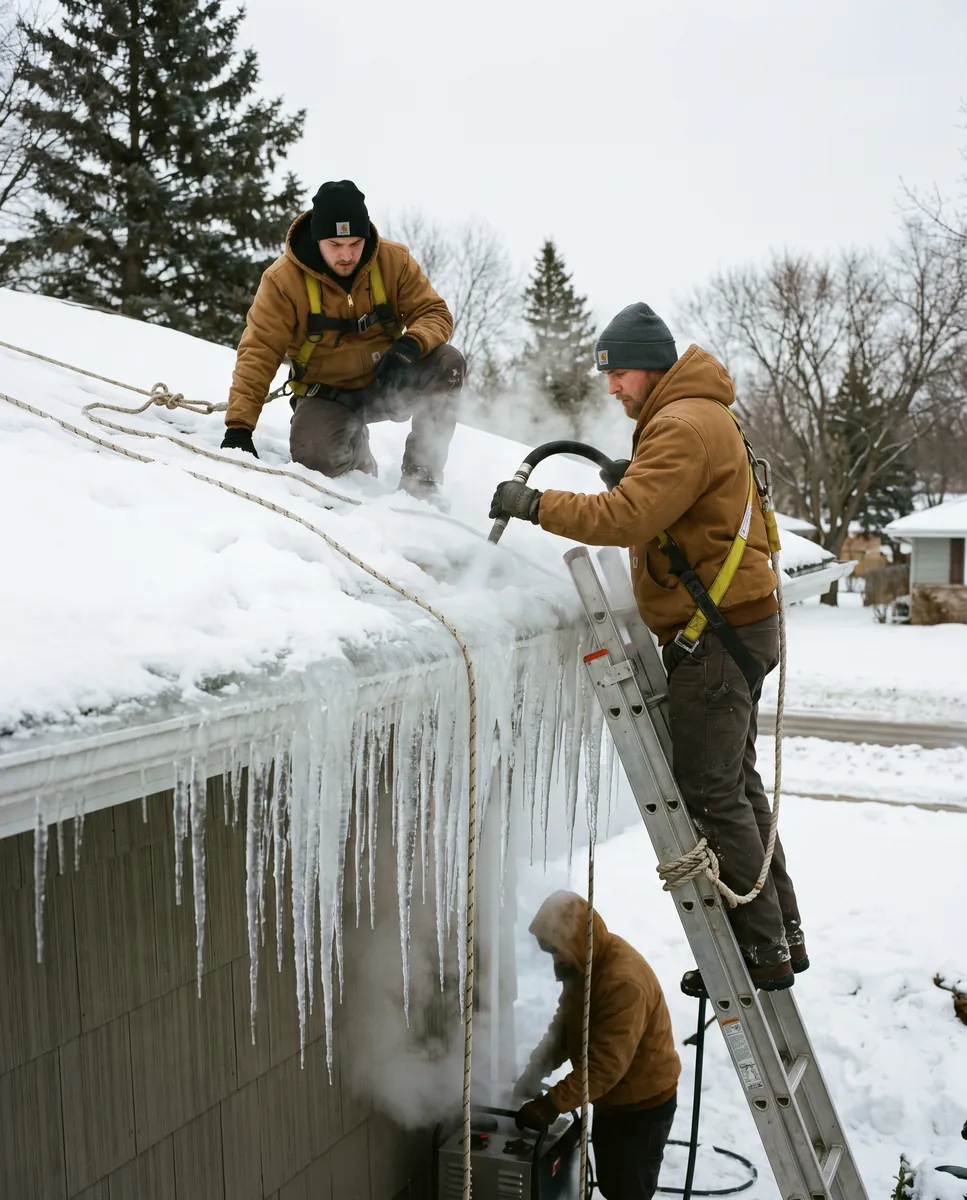
Burnsville carries a standard Minnesota humid continental climate: cold winters with reliable snow accumulation and warm, occasionally violent summers. Average annual snowfall runs 45 inches, distributed across a season that typically begins in November and extends into late March. The freeze-thaw cycle through January and February is the primary mechanism behind ice dam formation. When attic heat escapes through an under-insulated deck, it warms the roof surface enough to melt the snow above it. That meltwater runs down the slope, hits the cold eave overhang, and refreezes. The resulting dam backs standing water up the slope, and that water will find any gap — a failed flashing joint at a chimney, an unsealed nail penetration, the termination edge of a short ice-and-water-shield run — and begin working into the structure. On a 1960s rambler in Alimagnet where the attic insulation has never been upgraded, this sequence repeats most winters that bring meaningful snowfall. Damage appears on interior ceilings weeks after the event that caused it, which leads many homeowners to underestimate how preventable the root cause was.
Summer brings hail and high wind. Severe thunderstorm tracks cross Dakota County regularly from late May through August, and Burnsville's position in the southern metro puts it in the path of systems that develop heat and instability over the Minnesota River valley. Hail that reaches an inch or larger can bruise asphalt shingle mats below the granule surface without punching through — damage that is invisible from the ground but measurable with a careful walking inspection. High winds during severe thunderstorm warnings regularly exceed 60 mph in this part of Dakota County. The National Weather Service confirmed tornado touchdowns near Highway 13 in 2021, with shingle loss and structural damage documented across several Burnsville neighborhoods. Storm damage claims in the southern metro move faster when the contractor and the insurance adjuster are walking the same roof at the same time — that coordination is a standard part of how we handle every documented storm event.
Impact-resistant Class 4 shingles are worth specifying on any Burnsville replacement, both for the protection they carry through subsequent storm seasons and for the homeowners insurance discounts they can qualify for in Minnesota. We serve Burnsville and the surrounding Dakota County communities — Eagan, Apple Valley, Lakeville, Savage, and Prior Lake — with roof replacement, targeted repair, storm damage assessment and insurance coordination, and steam-based ice dam removal with attic evaluation. Every job starts with a written estimate you can read line by line. If the honest answer is a targeted repair rather than a full tear-off, we will tell you that upfront.
Residential Services
Roofing services in Burnsville
We offer the full residential menu from our Central Minnesota base — the same crew, the same standards, across all 43 Minnesota cities we serve.
Replacement in Burnsville
Full residential roof replacement with architectural shingles, metal, or specialty…
Replacement in Burnsville→Repair in Burnsville
Targeted roof repairs for Minnesota homes and cabins — leak diagnosis, flashing re…
Repair in Burnsville→Storm Damage in Burnsville
Hail and wind damage assessment, insurance claim support, and full restoration for…
Storm Damage in Burnsville→Get in Touch
Contact Silver Loon Roofing — Burnsville
- Serving
- Burnsville, MN (Dakota County)
- Phone
- (970) 555-0199
- Hours
- Mon–Fri 7 am – 6 pm
Sat 8 am – 2 pm
Dispatched from our Central Minnesota home office along the Rum River
Nearby areas we serve from Burnsville
- Eagan
- Apple Valley
- Lakeville
- Savage
- Prior Lake
Need roofing work in a nearby town? Request a free estimate — we cover the surrounding area without a travel surcharge.
Common Questions
Frequently asked questions — Burnsville
Ready for a straight-talk roof estimate in Burnsville?
We inspect, document, and give you a written line-item estimate before any work starts. No pressure, no surprises.